
News
Everything You Need to Know About the Hepatitis A Vaccine Before You Travel: Travel Health Guidance Leeds
Quick Answer The hepatitis A vaccine is given as a two-dose course. The first dose provides protection for approximately one year. A booster given six to twelve months later extends this to at least 25 years and likely lifelong for most recipients. The vaccine is available privately at Perfect Meds for travellers and at-risk individuals. ...

Your Complete Guide to the Hepatitis B Vaccine: Travel Health Guidance Leeds
Quick Answer The hepatitis B vaccine is given as a three-dose course over six months on the standard schedule. An accelerated schedule is available for those who need faster protection before travel. A completed course provides long-term and likely lifelong protection for most healthy recipients. No routine booster is recommended for the general population following ...
Do You Need the Japanese Encephalitis Vaccine? Travel Health Guidance Leeds
Quick Answer The Japanese encephalitis vaccine is given as a two-dose course, with doses administered 28 days apart. A booster is recommended one year after the primary course for those who remain at ongoing risk, with further boosters every three years for continued exposure. The only Japanese encephalitis vaccine licensed in the UK is Ixiaro, ...
Who Needs the Typhoid Vaccine and How Does It Work? Travel Health Guidance Leeds
Quick Answer The injectable typhoid vaccine is given as a single dose and provides protection for approximately three years. The oral typhoid vaccine consists of three capsules taken on alternate days and also provides protection for up to three years. Both vaccines should be administered at least two weeks before potential exposure. Re-vaccination is recommended ...
How Does the Yellow Fever Vaccine Work and Where to Get Vaccinated? Travel Health Guidance Leeds
Quick Answer The yellow fever vaccine is recommended for all eligible travellers visiting endemic regions of sub-Saharan Africa and South America and is a mandatory entry requirement for a number of specific countries. A single dose provides lifelong protection for most recipients, and the ICVP certificate issued after vaccination becomes valid ten days after the ...
What Travellers Need to Know About the Cholera Vaccine: Travel Health Guidance Leeds
Quick Answer The cholera vaccine used in the UK is Dukoral, an oral vaccine taken as two doses at least one week apart. It is recommended for travellers visiting areas with active cholera outbreaks or those working in high-risk humanitarian or healthcare settings. The vaccine provides protection for up to two years in adults and ...
When to Get the Rabies Vaccine and Where to Get Vaccinated: Travel Health Guidance Leeds
Quick Answer The rabies vaccine is available in the UK through registered private travel clinics and pharmacies and is given as a three-dose pre-exposure course on days zero, seven, and either twenty-one or twenty-eight. It is strongly recommended for travellers visiting remote or rural areas of rabies-endemic countries, particularly where access to post-exposure treatment may ...

Who Needs the Tetanus Vaccine and When to Get a Booster? Travel Health Guidance Leeds
Quick Answer Tetanus protection is delivered through the NHS childhood vaccination schedule as part of a five-dose primary course, with the completed course expected to provide long-term and likely lifelong protection for most healthy adults. Current UKHSA guidance does not recommend routine ten-year boosters for the general adult population following a completed primary course. A ...
Common Hepatitis B Vaccine Side Effects and What to Expect — Travel Health Guidance Leeds
The most common hepatitis B vaccine side effects are mild and short-lived, with soreness, redness, or swelling at the injection site being the most frequently reported reaction, followed by mild headache, fatigue, and low-grade fever in a smaller proportion of recipients. The hepatitis B vaccine is an inactivated vaccine, it does not contain live virus ...
How Long Does the Hepatitis A Vaccine Last? — Travel Guidance Leeds
The hepatitis A vaccine provides protection for approximately one year following a single dose, with a booster dose given six to twelve months later extending this to at least 25 years and likely lifelong for most recipients. The duration of protection depends on whether you have received just the first dose or whether you have ...
How to Choose the Right Malaria Tablets with Guidance from Perfect Meds Leeds
Choosing the right malaria tablets depends on several key factors including your destination, the specific malaria strains and resistance patterns present there, the duration of your trip, your medical history, and any medications you are currently taking; there is no single antimalarial that is universally appropriate for every traveller in every situation. The three main ...

What Travel Vaccinations Do I Need for My Upcoming Trip? — Advice from Our Leeds Travel Clinic
The travel vaccinations you need for your upcoming trip depend on a combination of factors including your destination, the specific regions and activities your itinerary involves, the time of year you are travelling, your existing vaccination history, and your personal health circumstances. Some travel vaccinations are recommended for broad geographic regions, such as hepatitis A ...

Why Should You Get the Yellow Fever Vaccine Before Travelling from Leeds?
You should get the yellow fever vaccine before travelling because yellow fever is a potentially fatal viral disease for which there is no specific antiviral treatment, making vaccination the only reliable means of protection for travellers visiting endemic regions in sub-Saharan Africa and South America. Beyond protecting your health, the yellow fever vaccine is also ...

How Often Should I Get the Typhoid Fever Shot in Leeds?
How often you should get the typhoid fever shot depends on which type of vaccine you receive — the injectable polysaccharide vaccine requires a booster every three years for those who remain at continued risk, whilst the oral live attenuated vaccine capsules also provide protection for up to three years and re-vaccination is recommended after ...

How Long Does the Tetanus Vaccine Last? — Get the Facts on Tetanus Vaccination in Leeds
The tetanus vaccine is considered to provide long-term protection for most people who complete the full five-dose NHS primary course, and current UKHSA guidance does not recommend routine booster doses for the general adult population following a completed course. However, a booster may be recommended in specific circumstances — including travel to high-risk destinations, sustaining ...

Can I Get the Rabies Vaccine in the UK? — Expert Advice from our Leeds Travel Clinic
You can get the rabies vaccine in the UK, and it is available through registered private travel clinics and pharmacies for travellers visiting countries where rabies is endemic, as well as for individuals at occupational risk. The rabies vaccine is not routinely available on the NHS for travel purposes, meaning that most travellers who need ...

What is the Purpose of a Travel Clinic? — Travel Health Advice Leeds
The purpose of a travel clinic is to provide expert, personalised health advice and medical services to people who are planning to travel abroad, helping them to identify and manage the health risks associated with their specific destination, itinerary, and personal circumstances. Travel clinics offer a comprehensive range of services including destination-specific vaccination programmes, antimalarial ...

What are the Most Effective Malaria Tablets in the UK? — A Guide for Travellers in Leeds
The most effective malaria tablets in the UK depend on your destination, the specific malaria strains present there, your medical history, and any medications you are currently taking — there is no single antimalarial that is universally superior for all travellers in all situations. The three main prescription antimalarial options available in the UK are ...

Do You Need the Japanese Encephalitis Vaccine Before Travelling from Leeds?
You may need the Japanese encephalitis vaccine if you are travelling to rural or agricultural areas of Asia where the Japanese encephalitis virus is endemic, particularly if your trip involves spending time outdoors during the evening or night, when the mosquitoes that transmit the virus are most active. The vaccine is strongly recommended for travellers ...
Who Needs the Hepatitis B Vaccine? — Travel Vaccination Guidance Leeds
The hepatitis B vaccine is recommended for anyone at increased risk of exposure to the hepatitis B virus — including travellers to high-prevalence regions, healthcare workers, people who inject drugs, those with certain medical conditions, and individuals whose sexual behaviour puts them at risk. In the UK, hepatitis B vaccination has been part of the ...
What You Need to Know About Yellow Fever Vaccination in Leeds
Yellow fever vaccination is a single-dose vaccine that provides lifelong protection for most travellers against a potentially fatal viral disease transmitted by mosquito bites in tropical regions of sub-Saharan Africa and South America. Unlike most other travel vaccines, yellow fever vaccination is not only a health recommendation but also a legal entry requirement for travel ...

Where Can I Find a Travel Clinic Near Me in Leeds?
If you are looking for a travel clinic near you in Leeds, Perfect Meds is a GPhC-regulated online pharmacy and travel health service that offers comprehensive travel health consultations, a wide range of travel vaccinations, antimalarial prescriptions, and personalised pre-travel health advice to patients across Leeds and the surrounding areas. Our experienced pharmacists can assess ...
How Long Does the Typhoid Vaccine Last? — Travel Health Advice Leeds
The typhoid vaccine provides protection for either three years or up to five years depending on which type of vaccine you receive, and a booster dose is recommended when that protection period has elapsed if you remain at risk of exposure. In the UK, two forms of typhoid vaccine are currently available — an injectable ...
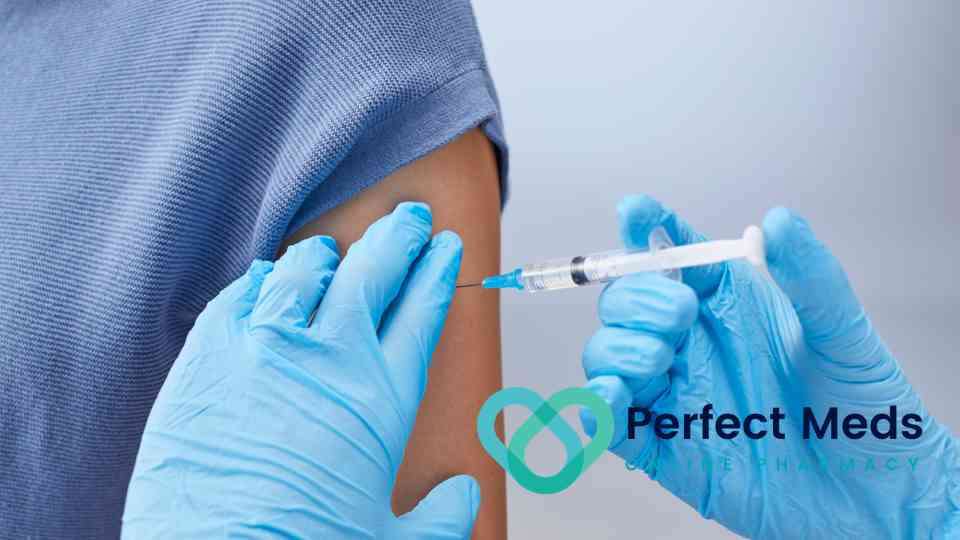
When Should I Get the Tetanus Shot? — Travel Guidance Leeds
You should get the tetanus shot if you have never been vaccinated, if your vaccination history is incomplete or unknown, if you have not had a booster in the last ten years, or if you have sustained a wound that carries a risk of tetanus infection. In the UK, tetanus vaccination is routinely given as ...
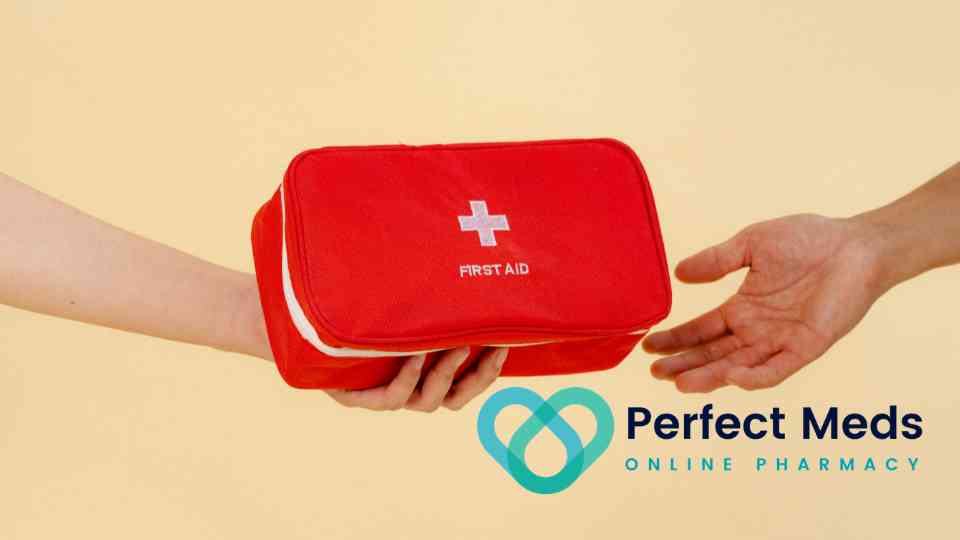
What are the Essential Items for a Travel First Aid Kit? — Travel Health Advice Leeds
A well-stocked travel first aid kit should contain a core set of essentials that covers wound care, pain relief, gastrointestinal illness, and any personal prescription medications you require — with additional items added depending on your destination and the activities you are planning. At a minimum, every traveller should pack plasters, antiseptic wipes, a thermometer, ...
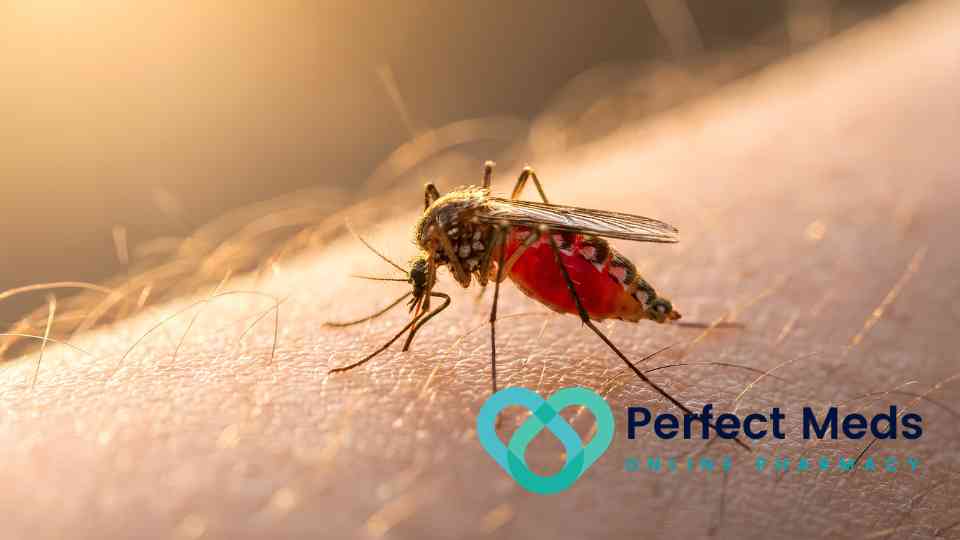
How to Choose the Right Anti Malaria Tablets — Advice for Leeds Travellers
Choosing the right anti malaria tablets depends on several key factors, including your destination, the duration of your trip, your medical history, and any medications you are currently taking. There are four main antimalarial medications available in the UK — atovaquone/proguanil (Malarone), doxycycline, mefloquine (Lariam), and chloroquine with or without proguanil — each with different ...

How Long Does the Rabies Vaccine Last? — Travel Health Advice Leeds
The rabies vaccine provides long-term protection, but how long it lasts depends on whether you have had the full pre-exposure course and whether you require ongoing occupational protection. For most travellers who have completed the full three-dose pre-exposure prophylaxis (PrEP) course, a full pre-exposure course is considered to provide long-term protection, and further booster doses ...
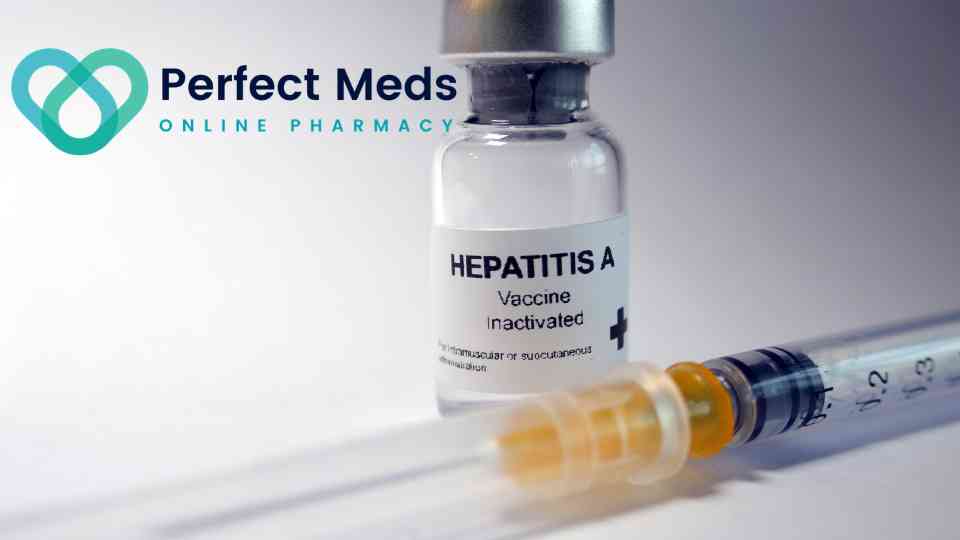
Who Should Get the Hepatitis A Vaccine in Leeds?
The hepatitis A vaccine is recommended for anyone at increased risk of exposure to the hepatitis A virus — including travellers to certain countries, people with chronic liver disease, and individuals in close contact with someone who has been diagnosed with hepatitis A. In the UK, the NHS also recommends the vaccine for people who ...