
The most effective malaria tablets in the UK depend on your destination, the specific malaria strains present there, your medical history, and any medications you are currently taking — there is no single antimalarial that is universally superior for all travellers in all situations. The three main prescription antimalarial options available in the UK are atovaquone/proguanil (Malarone), doxycycline, and mefloquine (Lariam), each of which offers high levels of protection against the most dangerous malaria strain, Plasmodium falciparum, when taken correctly and consistently. Chloroquine with or without proguanil is also available but is now only suitable for a very limited number of destinations due to widespread chloroquine resistance in most malaria-endemic regions. At Perfect Meds, our GPhC-regulated pharmacists provide comprehensive malaria prevention consultations, helping you identify the most appropriate antimalarial medication for your specific destination and health circumstances and dispensing your prescription on the same day.
Book now to arrange your malaria prevention consultation at Perfect Meds.
Atovaquone/proguanil (Malarone) is widely considered the most convenient option for most travellers due to its short pre- and post-travel dosing schedule, good tolerability, and broad efficacy against Plasmodium falciparum malaria in most destinations. Doxycycline is an equally effective and more cost-effective alternative that is suitable for most destinations, though it requires daily dosing and must be continued for four weeks after leaving a malaria zone. Mefloquine (Lariam) is taken once weekly and suits longer trips but carries a risk of neuropsychiatric side effects that makes it unsuitable for a significant proportion of travellers. The right choice for any individual depends on destination-specific resistance patterns, trip duration, medical history, and personal preference — a pharmacist at Perfect Meds can assess all of these factors and recommend the most appropriate option for your trip.
The Importance of Malaria Prevention
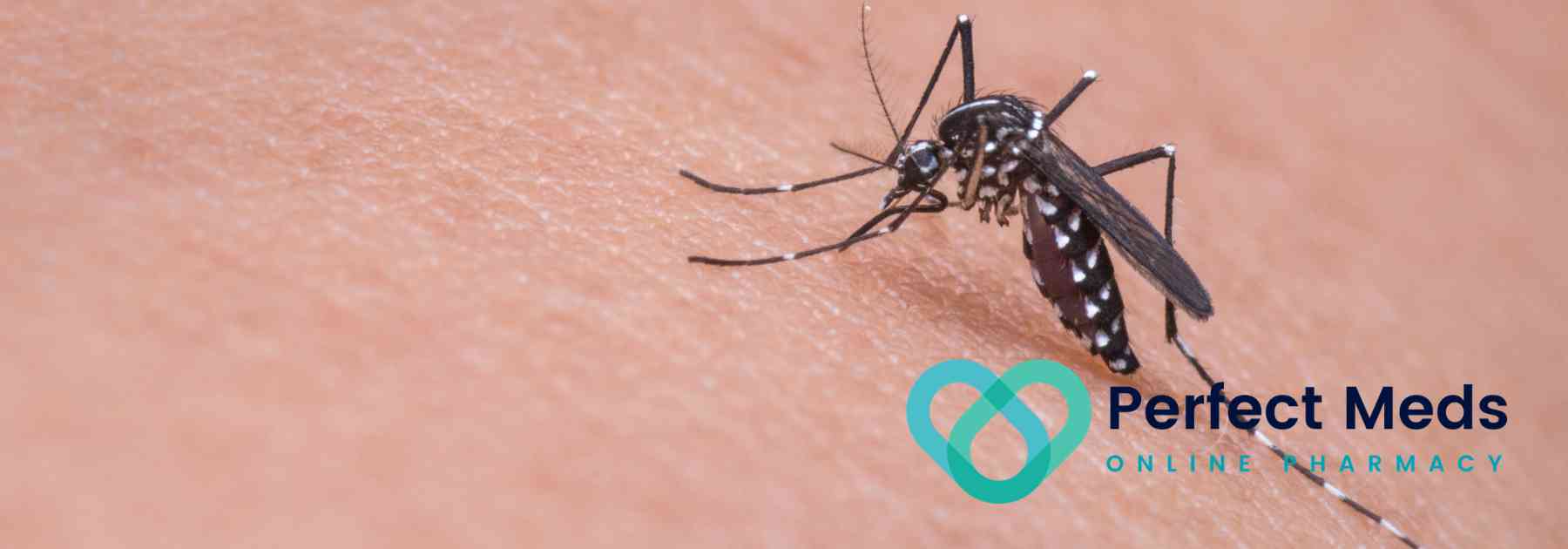
Malaria is a potentially life-threatening infectious disease caused by Plasmodium parasites transmitted to humans through the bites of infected female Anopheles mosquitoes. There are five species of Plasmodium that infect humans, but Plasmodium falciparum is by far the most dangerous — responsible for the majority of malaria deaths worldwide and the species most commonly acquired by UK travellers returning with malaria. According to the WHO World Malaria Report 2023, there were an estimated 249 million cases of malaria globally in 2022 and approximately 608,000 deaths, the vast majority of which occurred in sub-Saharan Africa and disproportionately affected children under five years of age.
In the UK, malaria is the most commonly reported imported infectious disease, with several hundred cases diagnosed annually in returning travellers and migrants. The consequences of malaria in an unimmune traveller from the UK can be severe and life-threatening — Plasmodium falciparum malaria can progress from initial symptoms to multi-organ failure and death within 24 to 48 hours if not diagnosed and treated promptly. This underlines why effective malaria prevention — through the combination of appropriate antimalarial tablets and rigorous mosquito bite avoidance — is one of the most important travel health priorities for anyone visiting a malaria-endemic region.
Malaria Risk by Destination
Not all malaria-endemic destinations carry the same level of risk, and the choice of antimalarial medication is heavily influenced by both the geographic distribution of malaria and the prevalence of drug-resistant strains at the specific destination. Sub-Saharan Africa carries the highest malaria transmission intensity of any region in the world and accounts for the vast majority of malaria deaths globally, with Plasmodium falciparum being the predominant species and chloroquine resistance being virtually universal across the continent.
South and Southeast Asia present a more complex picture, with both Plasmodium falciparum and Plasmodium vivax circulating in many countries, alongside the emergence of multidrug-resistant Plasmodium falciparum strains — particularly in the Greater Mekong Subregion encompassing Cambodia, Myanmar, Thailand, Vietnam, and Laos — that have developed resistance to artemisinin-based combination therapies used in local treatment. Central and South America generally carry lower transmission intensity than Africa, with variable drug resistance depending on the specific country and region visited. The Middle East, South Asia, and parts of Oceania also carry malaria risk in certain areas, though the overall burden is lower than in sub-Saharan Africa.
The Four Antimalarial Options Available in the UK
The following section provides a detailed overview of each of the four antimalarial medication options available to travellers from the UK, covering their mechanisms of action, dosing schedules, efficacy, side effects, and key suitability considerations.
Atovaquone/Proguanil (Malarone)
Atovaquone/proguanil, sold under the brand name Malarone and also available as a generic, is currently the most widely prescribed antimalarial for UK travellers. It works by combining two complementary mechanisms of action — atovaquone disrupts mitochondrial electron transport in the malaria parasite, whilst proguanil inhibits dihydrofolate reductase — creating a synergistic effect that is highly effective against Plasmodium falciparum and also provides activity against Plasmodium vivax. The drug acts on both the liver stages and blood stages of the parasite’s lifecycle, which is why it requires only one to two days of pre-travel dosing and just seven days of post-travel dosing — significantly shorter than the alternatives.
Malarone is taken as a single daily tablet with food or a milky drink, which helps to maximise absorption and reduce the risk of gastrointestinal side effects. It is generally well tolerated, with the most commonly reported side effects being mild nausea, abdominal discomfort, headache, and vivid dreams. It is not recommended during pregnancy, whilst breastfeeding infants weighing less than 5kg, or for those with creatinine clearance below 30ml/min. The main limitation of Malarone is its cost — it is significantly more expensive than doxycycline, which can make it a prohibitively expensive option for longer trips.
Doxycycline
Doxycycline is a broad-spectrum tetracycline antibiotic that also provides effective prophylaxis against Plasmodium falciparum malaria by inhibiting protein synthesis in the malaria parasite. It is effective across most malaria-endemic destinations, including areas with multidrug-resistant Plasmodium falciparum in Southeast Asia where mefloquine resistance has been reported. Doxycycline is the most affordable of the antimalarial options available in the UK, making it a particularly practical choice for budget-conscious travellers or those undertaking longer trips where the cost of Malarone would be substantial.
Doxycycline must be started one to two days before travel and continued for four weeks after leaving the malaria zone — the longest post-travel dosing period of any of the antimalarials. It is taken as a daily tablet, ideally with food and a full glass of water to reduce the risk of oesophageal irritation, and should not be taken immediately before lying down. The most clinically important side effects are photosensitivity — an increased susceptibility to sunburn that can be severe in some recipients — and the potential for gastrointestinal upset. Doxycycline absorption is significantly reduced by antacids containing aluminium, calcium, or magnesium, iron supplements, bismuth subsalicylate, and dairy products — these should not be taken at the same time as doxycycline. The drug is contraindicated in pregnancy and in children under twelve years of age.
Mefloquine (Lariam)
Mefloquine, sold under the brand name Lariam, is a weekly antimalarial tablet that was widely used by travellers in the 1990s and early 2000s and remains an option for certain travellers today. It is effective against Plasmodium falciparum in most destinations, though resistance has been reported in parts of Southeast Asia — particularly along the Thai-Cambodian and Thai-Myanmar borders — which limits its utility in those specific areas. The once-weekly dosing schedule makes it a logistically convenient option for longer trips, as the total number of tablets required is significantly lower than with daily regimens.
The most significant clinical concern with mefloquine is its association with neuropsychiatric side effects, which can include vivid dreams, insomnia, anxiety, depression, mood changes, dizziness, and in rare but serious cases, psychosis and seizures. These neuropsychiatric effects led to a MHRA warning and updated prescribing guidance in 2013, and mefloquine is now contraindicated in individuals with a history of depression, anxiety disorders, psychosis, schizophrenia, seizures, or other neuropsychiatric conditions. Because neuropsychiatric side effects can emerge before travel, mefloquine must be started two to three weeks before departure — allowing time to identify and manage any adverse reactions before the traveller is in a remote location. For travellers who tolerate mefloquine well, it remains a viable and effective option for certain destinations and trip types.
Chloroquine with or without Proguanil
Chloroquine was once the mainstay of malaria prophylaxis worldwide, but its utility has been drastically reduced by the global spread of chloroquine-resistant Plasmodium falciparum, which is now present in virtually all of sub-Saharan Africa, most of Asia, and much of Central and South America. Chloroquine-based prophylaxis is now only recommended for a small number of destinations where chloroquine-sensitive malaria strains still predominate — primarily parts of Central America, the Caribbean, and limited areas of the Middle East. It is rarely the first-choice option for UK travellers and should only be used when specifically recommended by a travel health professional based on the destination’s current resistance profile.
Comparing the Main Antimalarial Options
The table below provides a direct comparison of the three main antimalarial options recommended for most UK travellers, covering key practical considerations to help inform the decision-making process in consultation with a pharmacist.
| Medication | Dosing | Start Before Travel | Continue After | Key Consideration | Relative Cost |
|---|---|---|---|---|---|
| Atovaquone/Proguanil (Malarone) | Once daily | 1–2 days before | 7 days after | Not recommended in pregnancy or creatinine clearance below 30ml/min | High |
| Doxycycline | Once daily | 1–2 days before | 4 weeks after | Contraindicated in pregnancy and children under 12; photosensitivity risk; avoid simultaneous antacids, iron, and dairy | Low |
| Mefloquine (Lariam) | Once weekly | 2–3 weeks before | 4 weeks after | Contraindicated in history of neuropsychiatric conditions; resistance in parts of SE Asia | Medium |
| Chloroquine +/- Proguanil | Weekly + daily | 1 week before | 4 weeks after | Only suitable for limited destinations with chloroquine-sensitive malaria | Low |
Seeking expert guidance before choosing your malaria tablets is the safest and most effective approach to malaria prevention. Call us to get a personalised malaria prevention assessment at Perfect Meds today.
How to Choose the Right Malaria Tablets for Your Trip
Selecting the most appropriate malaria tablets for a given trip requires a systematic assessment of several key factors, none of which should be considered in isolation. A qualified pharmacist or travel health professional will take all of the following into account before making a recommendation.
Factors in Choosing the Right Antimalarial
- Destination and regional resistance patterns: the specific country, region, and even altitude of travel determines which malaria species are present and which antimalarials are effective against the local strains.
- Duration of trip: for very short trips, the cost advantage of doxycycline over Malarone is minimal, whilst for longer trips the cost differential becomes significant. Mefloquine’s weekly dosing makes it particularly practical for trips of several months.
- Medical history and current medications: contraindications, drug interactions, and underlying conditions such as renal impairment, liver disease, or psychiatric history will rule out certain options for some travellers.
- Pregnancy and breastfeeding status: most antimalarials are not recommended in pregnancy, and specialist advice is essential before any decision is made for a pregnant traveller.
- Age: doxycycline is not suitable for children under twelve, whilst Malarone is licensed for children weighing 11kg and above and mefloquine for children weighing 5kg and above.
- Previous antimalarial experience: travellers who have previously tolerated a particular antimalarial well may reasonably prefer to use it again, provided it remains appropriate for the destination.
- Adherence considerations: travellers who struggle with daily medication may find mefloquine’s weekly schedule easier to adhere to, whilst those with concerns about neuropsychiatric side effects may prefer a daily option.
The Importance of Completing the Full Antimalarial Course
One of the most common and clinically significant errors made by travellers taking malaria tablets is failing to complete the full post-travel course. Malaria parasites can remain dormant in the liver for a period after the infective mosquito bite, and continuing antimalarial medication for the prescribed period after leaving the malaria zone is essential to ensure that any parasites that entered the body during travel are eliminated before they can cause clinical disease. The duration of post-travel dosing varies between medications — seven days for Malarone, four weeks for doxycycline and mefloquine — and this difference is one of the most practically significant distinctions between the available options.
Studies of malaria in returning UK travellers have consistently identified early cessation of antimalarial prophylaxis as one of the most common risk factors for imported malaria. Travellers sometimes stop their tablets shortly after returning home because they feel well and assume that leaving the malaria zone means they are no longer at risk — this is a dangerous misconception. The incubation period of Plasmodium falciparum malaria ranges from seven to fourteen days on average, but can extend to several months in some cases, meaning that symptoms may not appear until well after return to the UK even in travellers who acquired the infection towards the end of their trip.
Antimalarial medication is an important part of travel health for many destinations, but it is rarely the only precaution you will need to take before you travel. Use the destination checker below to get an instant overview of the vaccinations and health measures recommended for your specific trip:
Malaria Tablets and Pregnancy
Pregnancy significantly increases the risk of severe malaria and its complications, including maternal anaemia, low birth weight, premature delivery, and maternal and neonatal death. Pregnant women are therefore strongly advised to avoid travel to high-risk malaria-endemic regions where possible. Where travel is unavoidable, the choice of antimalarial is significantly restricted by the limited safety data available for most antimalarials in pregnancy, and specialist advice from a travel health professional or obstetric team is essential before any decision is made.
Chloroquine with proguanil remains the preferred antimalarial option during pregnancy where the destination’s resistance profile permits its use, as it has the most established safety record in pregnancy of the available options. Where travel to a chloroquine-resistant malaria area during pregnancy is unavoidable, mefloquine may be considered in the second and third trimesters following specialist assessment — atovaquone/proguanil and doxycycline are not recommended during pregnancy. Any pregnant traveller planning a trip to a malaria-endemic region should seek specialist travel health advice as early as possible before departure.
Malaria Tablets for Children
Children travelling to malaria-endemic regions require antimalarial prophylaxis just as adults do, but the choice of medication and the appropriate dose are determined by the child’s weight rather than age, and not all options are suitable for all age groups. Atovaquone/proguanil is licensed for children weighing 11kg and above, with the dose calculated according to weight using paediatric formulations. Doxycycline is only suitable for children aged twelve and over. Mefloquine is licensed for children weighing 5kg and above, but its neuropsychiatric side effect profile requires careful consideration in paediatric prescribing.
- Children weighing under 11kg travelling to destinations where only Malarone is recommended should receive specialist travel health advice, as the standard licensed options may not be applicable.
- All antimalarials for children should be prescribed and dispensed by a qualified healthcare professional; dose calculation errors carry significant safety risks.
- Paediatric formulations of atovaquone/proguanil are available in the UK and are specifically designed for weight-based dosing in children.
- Mosquito bite prevention measures are particularly important for children, who may be less able to apply repellent correctly and less compliant with protective clothing requirements.
- Parents should discuss the full travel itinerary and all children’s medical histories with a pharmacist well in advance of departure to allow sufficient time for the appropriate antimalarial to be identified and prescribed.
Our GPhC-registered pharmacists at Perfect Meds are experienced in providing malaria prevention advice for families and can ensure every member of your travel party — children included — has the right protection in place before you depart. Contact us to book a family travel health appointment at Perfect Meds today.
Mosquito Bite Prevention — Non-Negotiable Alongside Malaria Tablets
No antimalarial medication provides 100% protection against malaria — the most effective options offer protection rates of approximately 92 to 98% against Plasmodium falciparum malaria in clinical trials, though real-world efficacy depends on consistent and correct use. This means that mosquito bite prevention measures are an absolutely essential complement to antimalarial medication and should never be regarded as optional. The Anopheles mosquitoes responsible for malaria transmission bite predominantly between dusk and dawn, making evening and overnight hours the highest-risk period for exposure.
Essential Mosquito Bite Prevention Measures
- Apply a DEET-based insect repellent containing at least 50% DEET to all exposed skin during peak biting hours; reapply regularly, especially after sweating, swimming, or washing.
- Wear loose-fitting, light-coloured, long-sleeved clothing and long trousers after dusk to minimise exposed skin and reduce the opportunity for mosquito bites.
- Sleep under a permethrin-impregnated mosquito net, particularly in accommodation without adequate screening or air conditioning; this is one of the most effective individual-level malaria prevention measures available.
- Use insecticide sprays, coils, or plug-in insecticidal devices in sleeping areas to reduce the indoor mosquito burden throughout the night.
- Avoid outdoor activities in high-risk areas during peak biting times where possible; if unavoidable, ensure comprehensive personal protection measures are in place before venturing outside.
- Treat clothing and outdoor equipment with permethrin spray for additional protection, particularly for travellers undertaking extended outdoor activities in high-risk environments.

Frequently Asked Questions
From understanding which malaria tablets are right for your destination to knowing what to do if you develop symptoms after returning home, these answers to the most common questions about malaria tablets in the UK will help you prepare for your trip with confidence.
Are malaria tablets available on the NHS in the UK?
Malaria tablets are not routinely available on the NHS for travel purposes and must be obtained through a private prescription from a registered travel clinic or pharmacy such as Perfect Meds. The cost varies depending on which medication is prescribed and the length of your trip, with doxycycline being the most affordable option and atovaquone/proguanil the most expensive.
Can I buy malaria tablets over the counter in the UK?
Chloroquine and proguanil are available over the counter from UK pharmacies without a prescription, but are only appropriate for a very limited number of destinations due to widespread resistance. Atovaquone/proguanil, doxycycline, and mefloquine all require a prescription and must be obtained following an assessment by a qualified pharmacist or prescriber who can confirm their suitability for your specific destination and health circumstances.
What should I do if I develop symptoms of malaria after returning to the UK?
If you develop a fever, chills, headache, muscle aches, or flu-like symptoms after returning from a malaria-endemic region, you should seek urgent medical attention immediately and inform the doctor or A&E team of your recent travel history. Plasmodium falciparum malaria can progress rapidly to severe illness and death if not diagnosed and treated promptly — do not wait to see if symptoms resolve on their own, and always mention your travel history even if you were taking antimalarial tablets.
How effective are malaria tablets at preventing malaria?
When taken correctly and consistently alongside mosquito bite prevention measures, atovaquone/proguanil and doxycycline offer protection rates of approximately 92 to 98% against Plasmodium falciparum malaria in clinical trials, though real-world efficacy depends on consistent and correct use. No antimalarial provides 100% protection, which is why mosquito bite avoidance measures — including DEET-based repellents, permethrin-treated nets, and protective clothing — are an essential and non-negotiable complement to antimalarial medication.
Can I take malaria tablets if I am on other medications?
Some antimalarial medications can interact with other drugs — for example, mefloquine interacts with certain antiepileptic drugs and antiarrhythmics, and doxycycline absorption is significantly reduced by antacids containing aluminium, calcium, or magnesium, iron supplements, bismuth subsalicylate, and dairy products taken at the same time. A full medication review by a pharmacist before prescribing antimalarials is essential to identify and manage any potential interactions — this is one of the key reasons why obtaining malaria tablets through a proper consultation rather than informally is so important.
Is it safe to drink alcohol whilst taking malaria tablets?
Moderate alcohol consumption is not specifically contraindicated with any of the main antimalarial medications, but alcohol can potentially worsen some of the side effects associated with these drugs — particularly the gastrointestinal effects of doxycycline and Malarone and the neuropsychiatric effects of mefloquine. Travellers taking mefloquine are generally advised to minimise alcohol consumption, as the combination may increase the risk of dizziness, impaired judgement, and neuropsychiatric symptoms.
Choosing the Right Malaria Tablets
Malaria is a serious and potentially fatal disease, but it is also a highly preventable one — and choosing the most effective malaria tablets for your specific destination and circumstances is one of the single most important steps you can take to protect your health while travelling. With several effective options available in the UK, each with different efficacy profiles, dosing schedules, side effect considerations, and suitability criteria, getting personalised professional guidance before making a decision is not just advisable — it is essential.
Our GPhC-regulated pharmacists at Perfect Meds have extensive experience in providing comprehensive malaria prevention consultations for travellers heading to every malaria-endemic region of the world. From assessing your destination’s specific resistance patterns and reviewing your full medical history to prescribing and dispensing the most appropriate antimalarial medication on the same day, we make the entire process straightforward, expert-led, and completely stress-free. Book now to arrange your malaria prevention consultation at Perfect Meds and depart on your next trip with the complete confidence that your health is fully protected.

Medical Disclaimer: The information provided in this article is intended for general informational purposes only and does not constitute medical advice. Individual circumstances vary, and you should always speak to a qualified medical professional or pharmacist before starting any vaccination, treatment, or health programme. If you have any concerns about your health or suitability for any medication, please consult your GP or a registered healthcare provider before proceeding.