
The typhoid vaccine provides protection for either three years or up to five years depending on which type of vaccine you receive, and a booster dose is recommended when that protection period has elapsed if you remain at risk of exposure. In the UK, two forms of typhoid vaccine are currently available — an injectable polysaccharide vaccine, which protects for approximately three years, and an oral live attenuated vaccine taken as capsules, which offers protection for up to three years in the UK though efficacy data varies by product and population. The most appropriate option for you will depend on your individual health history, any existing medications, and your travel itinerary, as not all vaccines are suitable for everyone. Our GPhC-registered pharmacists at Perfect Meds will assess your personal requirements, help you choose the right typhoid vaccine, and provide the vaccination in a single appointment ahead of your trip.
Book a consultation with Perfect Meds today.
Key takeaways
- The injectable typhoid vaccine provides protection for approximately three years, whilst the oral typhoid vaccine capsules offer protection for up to three years; a booster is recommended when this period has elapsed for those who remain at risk.
- The typhoid vaccine is recommended for travellers visiting areas where typhoid fever is common, including parts of South Asia, sub-Saharan Africa, Southeast Asia, and Central and South America.
- Neither form of typhoid vaccine provides 100% protection, so food and water hygiene precautions remain essential when travelling to high-risk destinations; vaccination should complement safe eating and drinking practices, not replace them.
- The oral typhoid vaccine is not suitable for everyone, including those who are immunocompromised, pregnant, or taking certain antibiotics; making a consultation with a pharmacist or GP essential before choosing a vaccine type.
- A combination vaccine that protects against both typhoid and hepatitis A is available as a single injection, making it a convenient option for travellers who require protection against both diseases.
- Typhoid fever is a potentially serious illness caused by the bacterium Salmonella typhi, and whilst it is treatable with antibiotics, increasing antimicrobial resistance makes prevention through vaccination increasingly important.
The Two Types of Typhoid Vaccine Available in the UK
Two distinct types of typhoid vaccine are currently available in the UK, each with different characteristics, dosing schedules, and suitability criteria. Understanding the differences between them is important for making an informed choice about which is most appropriate for your individual circumstances.
The injectable typhoid vaccine — most commonly known by the brand name Typhim Vi — is a polysaccharide vaccine given as a single injection. It begins to provide protection approximately two weeks after administration and is considered to offer protection for approximately three years. It is suitable for most adults and children aged two years and over, is well tolerated with a mild side effect profile, and is available as a standalone vaccine or in combination with the hepatitis A vaccine. The injectable vaccine does not contain live bacteria and is therefore safe for use in immunocompromised individuals and pregnant women, though as with all vaccines in pregnancy, the decision should be made in consultation with a healthcare professional.
The oral typhoid vaccine — available under the brand name Vivotif — consists of three capsules taken on alternate days, providing protection for up to three years. It contains a live attenuated strain of Salmonella Typhi and works by stimulating immunity in the gut. Because it is a live vaccine, it is not suitable for individuals who are immunocompromised, those taking antibiotics within three days of the course, or pregnant women. The oral vaccine must be taken correctly — refrigerated, on an empty stomach, and on the prescribed alternate-day schedule — to ensure adequate immune response. A pharmacist can advise on which option is most appropriate based on your health history and planned travel.
At Perfect Meds, our expert pharmacists provide personalised guidance to help you choose the most suitable typhoid vaccine for your travel plans. Contact us for personalised vaccination advice.
How Long Does the Typhoid Vaccine Last?
The duration of protection offered by the typhoid vaccine depends on which type you receive. The injectable polysaccharide vaccine is considered to provide protection for approximately three years in most recipients, after which a booster dose is recommended for those who remain at continued risk of exposure. The oral live attenuated vaccine also provides protection for up to three years in the UK, with re-vaccination recommended after this period for ongoing travellers. It is important to note that neither vaccine offers lifelong protection, and regular re-vaccination is necessary for those who travel frequently to typhoid-endemic regions.
The timing of your booster dose matters. Ideally, any typhoid vaccination — whether a first dose or a repeat — should be administered at least two weeks before potential exposure, as this is the time required for the immune system to develop an adequate protective response. If you are a frequent traveller and are unsure whether your typhoid vaccination is still within its protection window, a pharmacist can review your vaccination records and advise on whether a booster is due ahead of your next trip. Keeping an up-to-date record of all travel vaccinations is a helpful habit that makes it much easier to plan future travel health appointments efficiently.
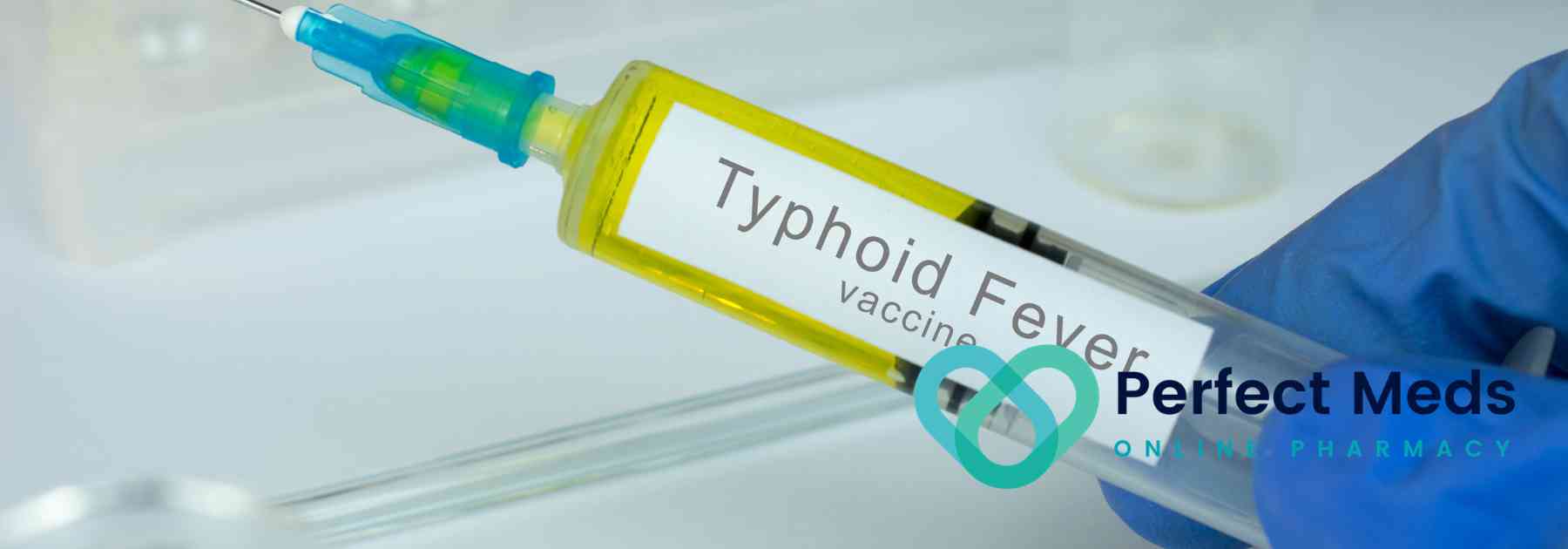
Who Should Get the Typhoid Vaccine?
The typhoid vaccine is recommended for travellers visiting countries and regions where typhoid fever is endemic and where access to clean water and safe food preparation may be limited. This includes much of South Asia — particularly India, Pakistan, Bangladesh, and Nepal — as well as large parts of sub-Saharan Africa, Southeast Asia, and Central and South America. Travellers who are visiting friends and relatives in these regions are at particular risk, as they are more likely to eat locally prepared food and drink water that may not have been treated to the same standard as that found in tourist hotels and restaurants.
Beyond travel, the typhoid vaccine is also recommended for laboratory workers who handle Salmonella Typhi as part of their professional work. In the UK, the vaccine is not part of the routine childhood immunisation schedule and is not available on the NHS for travel purposes, meaning that most travellers will need to access it through a private travel clinic or registered pharmacy. Given that the injectable vaccine requires only a single dose and offers a broad three-year window of protection, it is one of the more straightforward travel vaccinations to arrange, provided sufficient time is allowed before departure.
Knowing which vaccines are recommended for your specific destination is the first step towards travelling safely and confidently. Enter your destination below to get an instant overview of the travel vaccinations that may be recommended for your trip, including whether the typhoid vaccine should be part of your pre-travel health plan:
The Importance of Food and Water Hygiene
Whilst the typhoid vaccine is an important and effective tool for reducing the risk of infection, it is essential to understand that it does not provide complete protection on its own. The injectable polysaccharide vaccine is estimated to be approximately 55 to 72% effective, meaning that a significant proportion of vaccinated travellers could still contract typhoid fever if exposed to a sufficient quantity of contaminated food or water. This makes strict food and water hygiene practices an indispensable complement to vaccination for any traveller visiting a typhoid-endemic region.
Key food and water safety measures include drinking only bottled, boiled, or chemically treated water, avoiding ice in drinks unless you are confident it has been made from treated water, eating only thoroughly cooked food that is served hot, avoiding raw fruits and vegetables that cannot be peeled, and being particularly cautious with street food and locally prepared dishes. The principle of “boil it, cook it, peel it, or leave it” remains a reliable practical guide for travellers. Following these precautions consistently in combination with up-to-date vaccination gives the best possible level of protection against typhoid fever and many other food and waterborne illnesses.
Travel protected against typhoid. Call us to book your typhoid vaccination appointment today.

Frequently Asked Questions
Whether you are travelling to a typhoid-endemic region for the first time or want to check whether your existing vaccination is still current, these answers to the most common questions about the typhoid vaccine will help you make a confident and well-informed decision about your travel health.
Is the typhoid vaccine available on the NHS?
The typhoid vaccine is not routinely available on the NHS for travel purposes and must be obtained through a private travel clinic or registered pharmacy for the majority of travellers. Laboratory workers who handle Salmonella Typhi professionally may be eligible for NHS-funded vaccination through their occupational health service.
Can I take the oral typhoid vaccine if I am on antibiotics?
No — the oral typhoid vaccine should not be taken within three days of taking antibiotics, as antibiotics can kill the live attenuated bacteria in the vaccine and significantly reduce its effectiveness. If you are currently taking antibiotics or have recently completed a course, you should discuss this with a pharmacist who can advise on timing or recommend the injectable vaccine as an alternative.
Can children receive the typhoid vaccine?
Yes — the injectable typhoid vaccine is suitable for children aged two years and over, whilst the oral vaccine is licensed for use in children aged six years and over in the UK. Children travelling to typhoid-endemic regions with their families are encouraged to be vaccinated, as they may be particularly vulnerable to severe illness.
How soon before travel should I get the typhoid vaccine?
The typhoid vaccine should ideally be administered at least two weeks before potential exposure to allow sufficient time for the immune system to develop a protective response. If departure is imminent, vaccination can still be given closer to the travel date and will offer some degree of protection, though the full immune response may not have developed before arrival at your destination.
Does the typhoid vaccine protect against all strains of typhoid?
Both the injectable and oral typhoid vaccines provide protection against Salmonella Typhi, the bacterium responsible for typhoid fever, but do not protect against Salmonella Paratyphi, which causes paratyphoid fever — a related but distinct illness with similar symptoms. Food and water hygiene precautions remain essential for reducing the risk of both typhoid and paratyphoid fever, as well as many other foodborne illnesses.
What are the side effects of the typhoid vaccine?
The injectable typhoid vaccine is generally very well tolerated, with the most common side effects being mild soreness, redness, or swelling at the injection site, along with occasional headache or low-grade fever that typically resolves within a day or two. The oral vaccine may cause mild gastrointestinal symptoms such as nausea, abdominal discomfort, or loose stools in a small number of recipients, which usually resolve quickly without the need for treatment.
Stay One Step Ahead of Typhoid
The typhoid vaccine is a straightforward, effective, and well-tolerated way to significantly reduce your risk of contracting a potentially serious illness when travelling to high-risk destinations. With protection lasting up to three years depending on the vaccine type and a booster course that requires just a single injection or three capsules, keeping your typhoid immunity current is one of the least burdensome but most impactful travel health steps you can take. Combined with sensible food and water hygiene practices, vaccination gives you the best possible foundation for a safe and healthy trip.
Our GPhC-regulated pharmacists at Perfect Meds are dedicated to taking the stress out of travel health preparation, so you can focus on looking forward to your trip rather than worrying about your vaccinations. Whether you need your first typhoid vaccination, a booster ahead of an upcoming trip, or a comprehensive travel health review that covers all the vaccinations and medications your destination requires, we offer expert, personalised advice in fast, convenient appointments. Book now to arrange your typhoid vaccination appointment and set off on your next adventure fully protected and completely confident.

Disclaimer: The information provided in this article is intended for general informational purposes only and does not constitute medical advice. Individual circumstances vary, and you should always speak to a qualified medical professional or pharmacist before starting any vaccination, treatment, or health programme. If you have any concerns about your health or suitability for any vaccine, please consult your GP or a registered healthcare provider before proceeding.